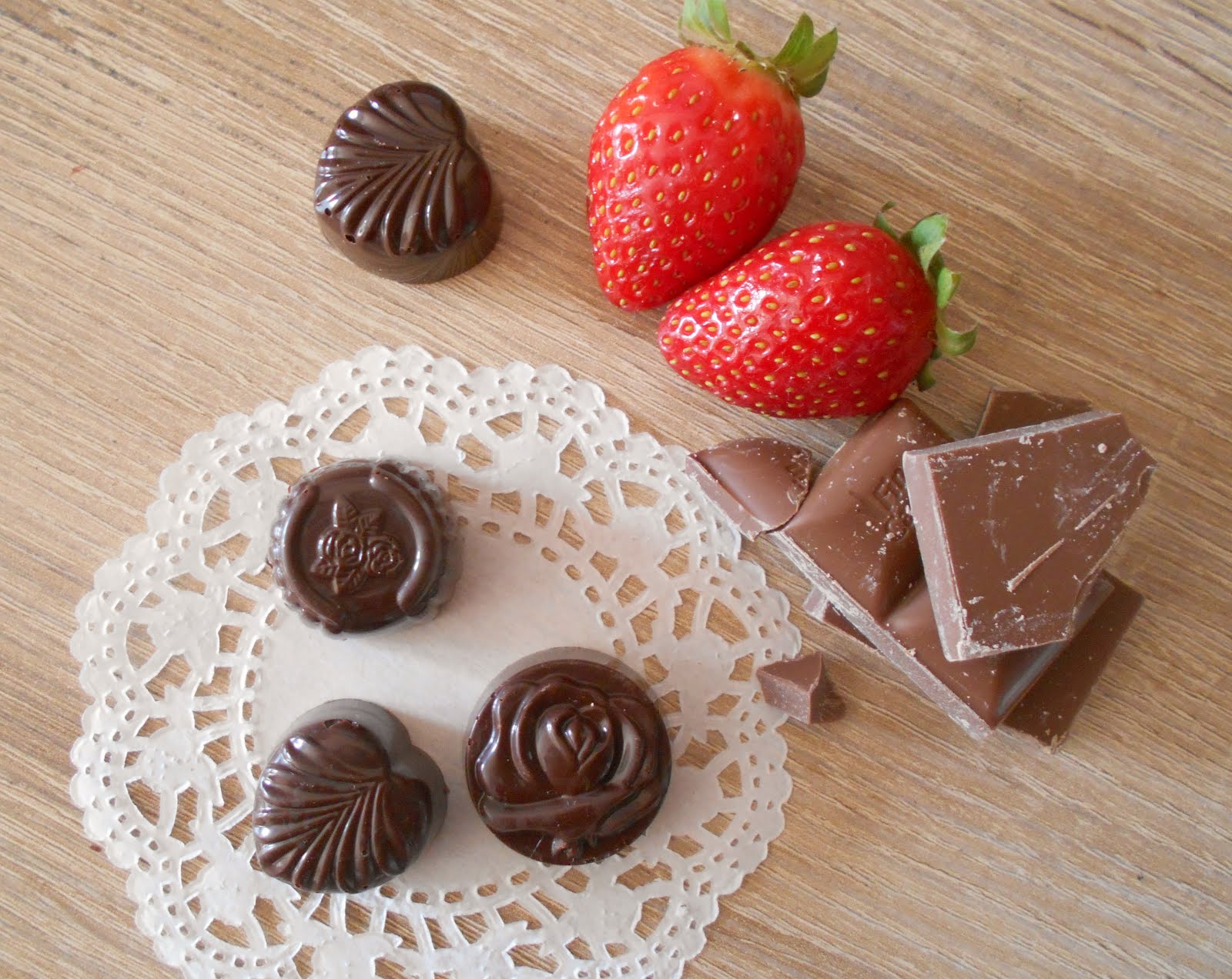
Showing posts with label eper. Show all posts

February 18, 2026

Valentine

Amióta az eszemet tudom, lenyűgöztek az ólomüveg rózsaablakok. A középkori művészet egyik csúcsteljesítményének tartom, ahogy a kőcsipkébe ágyazott színes üvegdarabok mennyei glóriává szűrik a kinti fényt, s a templomok belsejét túlvilági ragyogásukkal szentelik meg. A figurák és minták festéséről nem beszélve, azok olyan méltóságot és szépséget kölcsönöznek az ablakoknak és a térnek, amilyet azóta sem igazán készítenek a művészek. Titkos (nem annyira titkos) kedvenceim ebben a kategóriában természetesen a Saint Nazaire bazilika ablakai 😍
A középkori csodákat a szecesszió idején készített Tiffany üvegek közelítik csak meg szépségben (legalábbis én így gondolom), és az efféle ólomüveg, illetve maga a szecessziós művészet mindig is inspiráló volt számomra. Ennek jegyében készítettem erre a Valentin napra a családnak "ólomüveg" csokikat. A festést nagyban megkönnyítette, hogy végre szereztem megfelelő felszerelést hozzá: az Army Painter Wargamer szériájának Psycho elnevezésű ecsetjét, ami nevének megfelelően vékony és apró.


Hozzávalók
:
200+70 gr fehércsoki
30 ml citromlé
10 ml tejszín
1 kiskanál vaj
70 ml eperpüré
1 lapzselatin
ételfesték

Elkészítés:
A bonbonforma mélyedéseibe belefestem a mintákat: előbb feketével a körvonalakat, majd ezeket töltöm ki élénk színekkel. Végül némelyikhez szivaccsal halvány háttérszínt festek.
Temperálok 200 gr fehércsokit, és elkészítem a burkokat. 
A citromos töltelékhez kifacsarom a citromlét, hozzáadom a tejszínt és a vajat. Felmelegítem, majd 70 gr apróra tördelt fehércsokira öntöm, és addig keverem, míg fényes ganache-t kapok. Megtöltöm félig a bonbonburkokat.
Hideg vízbe áztatom a zselatinlapot, közben felforralom az eperpürét. Belekeverem a zselatinlapot, leveszem a tűzről, és addig kevergetem, míg testhőmérsékletűre hűl. Ekkor a második réteg tölteléket az elsőre adagolom, és hűtőbe teszem a formát. Végül temperált fehércsokival lezárom a bonbonokat.


Ever since I can remember, I've been mesmerized by stained glass rose windows. In my opinion, the peak output of medieval art is how colored pieces of glass embedded in stone lacework filter the light into a heavenly halo and sacralize the inner space of churches with an ethereal glow. Not to mention the figures and patterns painted on them; those add such grace and beauty to the windows and the space which has not been replicated ever since. My secret (not so secret) favorites are the windows of Saint Nazaire basilica (see above).😍
Only art nouveau Tiffany lamps and glasses can compete with these medieval wonders (at least in my opinion); stained glass and art nouveau itself have always been inspiring for me. Therefore, this Valentine's day I made "stained glass" chocolates for the family. The painting process became significantly easier after I acquired the proper tool: the brush Psycho from Army Painter's Wargamer series which, truthful to its name, is incredibly thin and tiny.

Ingredients:
200+70 gr white chocolate
30 ml lemon juice
10 ml cream
1 small spoon of butter
70 ml strawberry puree
1 gelatine sheet
food paint

Recipe:
I paint the patterns in the cavities of the bonbon mold: first I paint the black outlines, then I fill them with bright colors. Finally, I add a faint background color with sponge on some of them.
I temper 200 gr white chocolate and I prepare the shells.
For the lemon ganache, I squeeze the lemon juice, add the cream and the butter. I warm it up, then I pour it on 70 gr crushed white chocolate and stir it until I get a shiny ganache. I fill the bonbon shells halfway.
I soak the gelatine sheet in cold water, and in the meantime I boil the strawberry puree. I add the gelatine sheet, turn off the heat and stir the puree until it cools to lukewarm. Then I add the second layer on top of the first one and put the mold in the fridge. Finally, I seal the bonbons with tempered white chocolate.

March 24, 2024

Erik csokija

Meggyőződésem, hogy a kreativitás mindenkiben megvan, csak meg kell találni a megfelelő médiumot hozzá. Szóval amikor a bölcsiben azt mondták, hogy a kisfiam nem szeret rajzolni, festeni, nincs türelme hozzá, én már tudtam, hogy a csokizáshoz kedve és türelme is van. Így aztán ma leültünk, kiválasztotta a bonbonformát, aztán elé raktam az összes ételfestékemet, amiből kiválasztott három színt. Kikevertük a színeket kakaóvajjal, és ő kifestette a bonbonforma mélyedéseit. Ez egy kb. félórás művelet volt, ami egy 2.5 éves gyerek esetében szerintem elég jó teljesítmény. Az így létrehozott csokikat tavaszias töltelékkel készítettem el, ami illett a választott színekhez is :) 
(remélem, ha nagy lesz, profi csokikészítő lesz, és majd én ehetem az ő csokijait, nem fordítva 😅)

Hozzávalók:
30 ml eperpüré
20 ml gránátalma szirup
200 gr fehércsoki   
100 gr étcsoki
Egy kiskanál vaj
ételfesték

Elkészítés:
A bonbonforma mélyedéseit zölddel, pirossal és naranccsal festettük ki. Temperálom a fehércsokit, elkészítem a burkokat. Ezután jön a töltelék: egybekeverem az eperpürét és a gránátalma szirupot, hozzáadom a vajat, majd felmelegítem. 100 gr összetördelt étcsokira öntöm a szószt, és összekeverem. Megtöltöm a bonbon burkokat, hűtőbe teszem egy órára, majd temperált fehércsokival lezárom a bonbonokat.

I am convinced that everyone can be creative given the right medium. So when they told me in the nursery that my son doesn't like to draw and paint, he's not patient for such activity, I knew already that he liked chocolate making and had patience for it, too. So today we sat down, he chose a mold, then I put out all my food colors, from which he picked three. We mixed the colors with cocoa butter and he painted the cavities of the mold. This took about half an hour which is a good achievement for a 2.5-year-old toddler. I filled the chocolates with a spring-ish filling which fit the chosen colors. :)
(I hope he'll become a professional chocolatier and I can eat his chocolates, not the other way round 😅)

Ingredients:
30 ml strawberry puree
20 ml pomegranate syrup
200 gr white chocolate   
100 gr dark chocolate
small spoon of butter
food paint

Recipe:
We colored the cavities with green, red and orange. I temper the white chocolate and I prepare the shells. Then comes the filling: I combine the strawberry puree and the pomegranate syrup, I add the butter and warm them up. Then I pour the sauce on 100 gr chopped dark chocolate. I fill the shells and I put the mold in the fridge for an hour. Finally I seal the bonbons with tempered white chocolate.

June 4, 2023

eper-bazsalikom // strawberry-basil

Két repülés között :D Múlt héten Anglia, jövő héten Izrael - ilyen a történészek élete. Persze aztán itthonra úgy felgyűltek a feladatok, hogy ezt a csokit is csak három részletben bírtam megalkotni. Az alapkoncepció az arany-fekete színkombináció volt, ebből akartam afféle geometrikus-szecessziós jellegű mintákat kihozni. A festéssel iszonyú sok idő elment, igen pepecs munka volt, de azt hiszem, megérte a ráfordított energiát. És mivel eperszezon van, mi más is lehetne a töltelék, mint egy pihe-puha epermousse?

Hozzávalók:
70 ml eperpüré
két bazsalikomlevél
2 lapzselatin
60 gr fehércsoki
100 ml tejszín
20 gr porcukor
200 gr tejcsoki
ételfesték

Elkészítés:
Az epret leturmixolom, kipasszírozok belőle 70 ml-t, amelybe beletépkedek két bazsalikomlevelet. Felteszem melegedni. Addig hideg vízbe áztatok két lapzselatint. Amikor az eper felforr, belekeverem a zselatint, a masszát félreteszem. Vízgőz felett felolvasztom a fehércsokit, az eperpüréhez keverem. A tejszínhez hozzáöntöm a porcukrot és kemény habbá verem. Beleforgatom az eperpürét, majd hűtőbe teszem a mousse-t két órára.
A bonbonforma mélyedéseit kifestem feketével. Fogpiszkálóval rajzolom meg bele a mintákat, amiket aztán átfestek arannyal (na jó... ez így tök egyszerűen hangzik, de mivel szinte minden bonbonra másféle minta készült, ez az egész folyamat 3-4 óráig tartott).
Temperálom a tejcsokit, elkészítem a bonbonok burkát. Megtöltöm őket az epermousse-szal, ismét hűtőbe teszem a bonbonokat. Néhány óra múlva előveszem a formát, és temperált tejcsokival lezárom a bonbonokat.


Between two flights :D Last week it was England, next week it's gonna be Israel - the life of a historian. Of course by the time I came back home, all the tasks accumulated so I could prepare these bonbons only in three instalments. My basic concept was black-gold; I wanted to create geometric-art nouveau patterns. Painting took an awful lot of time, but I believe it was worth all the pain and energy. And since it's strawberry season, what else could be the filling, if not a fluffy strawberry mousse?!


Ingredients:
70 ml strawberry puree
two basil leaves
2 gelatin sheets
60 gr white chocolate
100 ml cream
20 gr icing sugar
200 gr milk chocolate
food paint

Recipe:
I blend the strawberries and take 70 ml of the juice, in which I put the basil leaves torn into little pieces. I heat the puree and in the meanwhile soak two gelatin sheets in cold water. When the strawberry starts simmering, I add the gelatin, stir it then put it aside. I melt the white chocolate in bain-marie and combine it with the strawberry puree. Finally, I mix the cream and the sugar, and whip it to a stiff whipped cream. I stir the strawberry cream in it and put the mousse in the fridge for two hours.
I paint the cavities of the mold with black. I draw the patterns with a toothpick, then I paint them over with gold (oh well... it sounds so simple but since I made a different pattern on each bonbon, this process took at least 3-4 hours).
I temper the milk chocolate, I prepare the bonbon shells. I fill them with the strawberry mousse, then I put the bonbons in the fridge. A couple of hours later I seal the bonbons with tempered milk chocolate.

May 30, 2022

eper-vanília // strawberry-vanilla

Ingredients:
120 ml milk
2 egg yolks
half a vanilla pod
150 gr white chocolate
2 gelatin leaves
150 gr heavy cream
250 gr strawberry
one small spoon of honey
lemon juice
200 gr milk chocolate
food paint

Recipe:
First, I prepare a vanilla-white chocolate mousse. I soak the gelatin leaves in cold water. I pour the milk in a pot, add the egg yolks and the seeds from half a vanilla pod. I warm them up (no boiling!) while stirring constantly. When it gets dense and creamy, I take the gelatin leaves, squeeze them and add them to the cream. I also pour 150 gr melted white chocolate in the mixture and stir them until the gelatin dissolves. I leave the cream to cool to room temperature.
I whisk the heavy cream and I carefully mix the whipped cream and the vanilla-white chocolate cream. I put the bowl in the fridge for a couple of hours until I get a smooth, cold mousse.
I wash and clean the strawberries, then blend them. I press the juice through a sieve in order to get rid of the seeds. I add a spoonful of honey and a couple of drops of lemon juice, then I start to boil the strawberry juice. I leave it to simmer for about half an hour while often stirring, until it gets thicker. 
Now comes the chocolate shell: I stick masking tape in the cavities of the mold in a way that it covers approximately 1/3. With a piece of sponge, I paint red stripes in the cavities, then peel off the masking tape. I paint the cavities with the mixture of white edible paint and gold luster dust. I temper the milk chocolate and I prepare the bonbon shells. When they set, I pour a couple of drops of strawberry puree in the bottom, and cover it with the chocolate mousse. Then I temper the leftover milk chocolate and I seal the bonbons.


Hozzávalók:
120 ml tej
2 tojássárgája
fél vaníliarúd
150 gr fehércsoki
2 zselatinlap
150 gr tejszín
200 gr tejcsoki
250 gr eper
egy kiskanál méz
citromlé
ételfesték

Elkészítés:
Először készítek egy fehércsoki-vanília mousse-t. A zselatinlapokat hideg vízbe áztatom. A tejet kimérem egy lábasba, hozzáadom a tojássárgájákat és a vaníliarúdból kikapart magokat. Állandó keverés mellett felmelegítem őket (nem szabad forralni!). Amikor kezd sűrűsödni, kifacsarom a zselatinlapokat és belekeverem. Hozzáöntök 150 gr olvasztott fehércsokit is, és addig keverem a krémet, amíg a zselatin felolvad. Hagyom, hogy szobahőmérsékletűre hűljön.
Felverem a tejszínhabot és összeforgatom a vaníliás-fehércsokis krémmel. A fazekat néhány órára hűtőbe teszem, míg sima, hideg mousse-t kapok.
Megmosom és megtisztítom az epreket, majd leturmixolom őket. A lét átpasszírozom szitán, hogy megszabaduljak a magoktól. Belekeverek egy kanál mézet és néhány csepp citromlét, ezután felforralom az eperlét. Gyakori kevergetés mellett kislángon hagyom forrni kb fél óráig, míg besűrűsödik.
Most következik a csokiburok: maszkoló ragasztócsíkot ragasztok a bonbonforma mélyedéseibe úgy, hogy kb. 1/3-ot takarjon. Egy szivacsdarabbal vörös csíkot festek a mélyedésekbe, aztán lehúzom a ragasztócsíkot. A mélyedéseket fehér ételfesték és arany lüszter keverékével festem ki. Temperálom a tejcsokit, elkészítem a burkokat. Miután megszilárdultak, néhány csepp eperpürét cseppentek a héjak aljába, ezeket pedig befedem a csokimousse-szal. Ezután temperálom a maradék tejcsokit, és lezárom a bonbonokat.

February 13, 2022

eper-tökmagkaramell // strawberry-pumpkin seed caramel

Bár Valentin napi köntösben van, ez a csoki mégsem arra, hanem születésnapra készült :) Eredetileg a tölteléket picit másképp képzeltem, de végül így is nagyon finom lett, épp annyira tömény csak, hogy még nem gejl.

Hozzávalók:
150 gr cukor
70 ml tejszín
két kiskanál méz
100 gr tökmag
30 gr porcukor
20 ml pisztáciaolaj
40 ml eperpüré
80+200 gr étcsoki
ételfesték

Elkészítés:
A tökmagot pisztáciaolajjal és porcukorral aprítógépben addig darálom, amíg krémes állagú nem lesz. Ezután elkészítem a karamellát: felolvasztom a cukrot, majd kis részletekben hozzákeverem a tejszínt, végül a mézet. 50 gr karamellába belekeverek ugyanennyi tökmagkrémet, és addig melegítem, kevergetem, amíg egynemű krémet kapok.
Elkészítem az eperkrémet: felolvasztok 80 gr étcsokoládét, és hozzáadom az eperpüréhez.
Piros festékkel belefestek a mélyedések közepébe. Miután megszáradt a festék, egy fogpiszkálóval EKG jelet rajzolok beléjük, majd fehér festékkel is átfestem. Temperálok 200 gr étcsokit, elkészítem a bonbonok burkát. Megtöltöm előbb az epres krémmel, azután a tökmagkaramellel. A maradék temperált csokival lezárom a bonbonokat.


Even thought these chocolates look like Valentine's day, they were made for a birthday :) Originally I imagined a slightly different filling but they became quite tasty in the end, dense but not cloying.

Ingredients:
150 gr sugar
70 ml cream
two small spoons of honey
100 gr pumpkin seed
30 gr caster sugar
20 ml pistachio oil
40 ml strawberry puree
80+200 gr dark chocolate
food paint

Recipe:
I grind the pumpkin seeds, the pistachio oil and the caster sugar in a food processor until I get a smooth cream. Then I prepare the caramel: I melt the sugar, then add the cream in small portions, and finally the honey too. I take 50 gr caramel, combine it with the same amount of pumpkin seed cream, and warm them until I get a creamy caramel sauce.
I prepare the strawberry cream: I melt 80 gr chocolate and I mix it with the strawberry puree.
I paint into the cavities of the mold with red food paint. After the paint dries, I draw EKG signs in it with a toothpick, then I paint it over with white paint. I temper 200 gr dark chocolate, I prepare the bonbon shells. I fill them first with the strawberry cream, then with the pumpkin seed caramel. I seal the bonbons with the leftover tempered chocolate.

February 1, 2022

Eper-chili // strawberry-chili

Nagymagyarok szeretnek minden egyes populáris ünnepkor azzal vagdalkozni, hogy "az nem magyar hagyomány", és "külföldről importált" és "micsoda giccsparádé". Ez a leegyszerűsítő hozzáállás dívik a Halloweennel kapcsolatban épp úgy, mint a Valentin-nappal. Nomármost tudjuk, hogy még a legmagyarabb hagyomány is százféle - és nem feltétlen csak magyar - gyökerű (lásd pl. busójárás, ugye), úgyhogy a "nem magyar hagyomány" kitételt el is vethetjük és kissé holisztikusabban szemlélve foglalkozzunk inkább az európai eredettel. Hiszen mi is ide tartozunk immár több mint egy évezrede, és ha történelmi ünnepekről, hagyományokról van szó, elkerülhetetlen, hogy szem előtt tartsuk, hányféle különböző kultúrkörrel, néppel álltunk és állunk kapcsolatban, szoros kölcsönhatásban.
A legenda szerint a római Valentin pap volt, 269-ben szenvedett mártírhalált. Keresztényként állítólag titokban adta össze a keresztény katonákat, akiknek II. Claudius megtiltotta, hogy megházasodjanak. Valójában ilyen tilalomról nem maradt fenn forrás, valószínűbb, hogy Valentin a saját vallására térítette az embereket. I
lyetén tevékenysége miatt kétszer is letartóztatták. Először bírája, Asterius azzal tette próbára őt, hogy megkérte, adja vissza vak leányának a látását. Állítólag Valentin imádkozás után Julia szemei fölé helyezte a kezét, és amikor elhúzta onnét, a lány látott. E csodatétel meggyőzte Asteriust arról, hogy Valentin istene az igaz isten, és teljes, több mint 40 tagot számláló háza népével együtt megkeresztelkedett.
Amikor Valentint másodszor is elfogták, maga II. Claudius hallgatta ki. Nagy hatással volt rá a pap személyisége, és megpróbálta megnyerni őt a római vallásnak, ám Valentin cserébe szintén igyekezett megtéríteni a császárt. Claudius ezért halálra ítélte őt. Kivégzése előtt Valentin üzenet Juliának, amit így írt alá: "a te Valentinod" - állítólag innét erednek a mai Valentin-napi üdvözletek. Sírja mellé maga Julia ültetett rózsaszín virágú mandulafát, ez azóta is a tartós szerelem, szeretet és barátság jelképe.
Végül a legenda szerint a katonákat titokban összeadó Valentin ujján lila ametisztköves gyűrűt viselt, amelybe Kupidó képét vésték -  a szerelemnek a Római Birodalomban is legális szimbólumát. E gyűrű alapján ismerték fel őt a katonák, és kérték, hogy adja össze őket a szerelmükkel. Talán ezért lett az ametiszt február hónap születésköve.


Az alábbi csoki elő-Valentin-napi ajándékként készült az én Valentinomnak :))) Mivel jelenleg ismét nem ehetek tejes ételeket, ezért ez is vegán bonbon - kókusztejszínnel készült. Külsőt és belsőt ismét összekomponáltam, hogy illeszkedjék az ünnep jellegéhez :)

Hozzávalók:
40 ml eperpüré
15 ml kókusztejszín
3 csipet chili
liofilizált eper
100+200 gr étcsoki
ételfesték

Elkészítés:
Készítek egy tömény csoki bonbont, és beleállítok egy koktélszúrókát. Ez lesz a pecsét. Amikor a bonbon megszilárdult, kiszedem a formából. Minden mélyedésbe néhány csepp kakaóvajas vörös festéket cseppentek, belenyomom a "pecsétet" és kihúzom - így kapom a vörös erezetet. Ezután arany színű festékkel festem be a mélyedéseket.
Elkészítem a tölteléket: összekeverem az eperpürét és a kókusztejszínt, megolvasztok 100 gr étcsokit és hozzájuk adom. Végül darabokra tépkedett liofilizált epret és chilit keverek a krémbe.
Temperálok 200 gr étcsokit, elkészítem a bonbonok burkát. Miután megszilárdultak, megtöltöm őket az epres krémmel. Temperálom a maradék étcsokit és lezárom a bonbonokat.


Nationalists like to shame every popular celebration by saying that they are "not a Hungarian tradition", they are "imported from abroad" and "they are corny". This simplistic attitude is fashionable when it comes to Halloween and also Valentine's day. Well, we know that even the most Hungarian tradition has a hundred different roots (such as Busójárás, for instance), so the argument that "this is not a Hungarian tradition" can be dismissed; perceiving things a bit more holistically, let's rather turn to European origins. After all, we've been living here for more than a millennia and thus if we're talking about historical celebrations, traditions, it is inevitable that we must consider the many cultures and ethnicities with which we were in touch and interaction.
According to legend, Valentine of Rome was a priest who was martyred in 269. As a Christian, allegedly he organized clandestine weddings for Christian soldiers who were forbidden to marry by Claudius II. In reality, such a marriage ban was never issued; it is more likely that Valentine was converting people. Due to this activity he was arrested twice. First, his judge/jailer Asterius tested him by asking him to heal his blind daughter. Allegedly after praying, Valentine placed his hands above Julia's eyes and when he removed his hand, she could see. This miracle convinced Asterius that Valentine's God was the real God and his entire household (more than 40 people) were baptized.
When Valentine was captured the second time, Emperor Claudius II himself interrogated him. He was impressed by the priest's personality and  tried to convert him to the Roman religion, however, in exchange Valentine also tried to convert the emperor. Claudius sentenced him to death because of this. Before his execution, Valentine sent a message to Julia, which he signed as "Your Valentine" - allegedly this is the origin of today's Valentine cards. Julia planted a pink flowering almond tree near his grave; this remains the symbol of abiding love and friendship.
Finally, according to legend, Valentine wore a purple amethyst ring with an image of Cupid engraved in it - this was the legal symbol of love in the Roman Empire. Roman soldiers who wanted to get married secretly, recognized the ring and asked him to perform marriage for them. Maybe this is the reason why amethyst became the birthstone of February.


I made these chocolates as a pre-Valentine gift for my Valentine :)) Since I can't eat milk again, these are vegan bonbons made with coconut cream. I composed matching filling and shell so they would fit the character of the celebration :)

Ingredients:
40 ml strawberry puree
15 ml coconut cream
3 pinches of chili
lyophilized strawberry
100+200 gr dark chocolate
food paint

Recipe:
I prepare a bonbon made entirely of chocolate and stick a cocktail needle in it. This will be my stamp. When the bonbon sets, I take it out of the mold. I pour a couple of drops of red cocoa butter paint in each cavity, and push the stamp in them - that's how I get the red "vein" pattern. Then I paint the cavities with gold.
I prepare the filling: I mix the strawberry puree and the coconut cream; I melt 100 gr dark chocolate and add it too. Finally, I tear the lyophilized strawberry into little pieces and add it and the chili in the cream.
I temper 200 gr dark chocolate, I prepare the bonbons hells. After they get solid, I fill them with the strawberry cream. I temper the leftover dark chocolate and I seal the bonbons.

June 17, 2021

eper-pisztácia // strawberry-pistachio

Ez a bonbon attól különleges, hogy kétféle íz és textúra egyesül benne. Az epres ganache lágy, krémes, édes, míg a pisztáciapaszta szemcsés, tömény, kissé sós. Yin és yang. Az összhangot kívül igazi színkavalkáddal fejeltem meg: rózsaszín, piros, zöld, ahogy az dukál :D Tavasz egy harapásra!


Hozzávalók:
120 gr pisztácia
2 kiskanál kókuszolaj
40 ml eperpüré
egy kiskanál vaj
10 ml tejszín
80+200 gr tejcsoki
ételfesték

Elkészítés:
Először a pisztáciapasztát készítem el. A pisztáciákat meghámozom, a száraz  barna héjat is lefejtem. Apírtógépbe szórom, és addig aprítom, míg krémes nem lesz. Ekkor hozzáadom a kókuszolajat, még egy picit keverem, és kész is.
Az epreket lepasszírozom, a léből kimérek 40 ml-t. Hozzáöntöm a tejszínt. Felolvasztok 80 gr tejcsokit egy kiskanál vajjal. Ezt az eperhez öntöm, és addig kevergetem, míg lágy krémet nem kapok.
Kitisztítom a csokiforma mélyedéseit. Előbb zöld festékkel összefröcskölöm a mélyedéseket; ha ez megszáradt, akkor szivaccsal egy kis pirosat pacsmagolok az aljukba. Végül rózsaszínnel festem össze őket. Temperálok 200 gr tejcsokit, kiöntöm a formát. Hűtőbe teszem, míg a csoki megszilárdul. Ezután előbb az epres krémből töltök bele, majd arra következik a pisztáciapaszta. Visszateszem a hűtőbe a formát egy órára, végül temperálom a maradék tejcsokit, és lezárom a bonbonokat.


The speciality of these bonbons is the meeting of two different flavors and textures. The strawberry ganache is soft, creamy, sweet, while the pistachio paste is grainy, dense and slightly salty. Yin and yang. The outside of the bonbons is a cavalcade of colors as it is fitting: pink, red, green :D Spring in a bite!


Ingredients:
120 gr pistachio
2 small spoons of coconut oil
40 ml strawberry puree
a small spoon of butter
10 ml cream
80+200 gr milk chocolate
food paint

Recipe:
First, I prepare the pistachio paste. I peel the pistachios and get rid of the dry brown skin too. I put them in a food processor and shred them until they get a creamy texture. Then I add the coconut oil and stir them a bit.
I press the strawberries through a sieve and take 40 ml of the juice. I add the cream to it. I melt 80 gr milk chocolate with a small spoon of butter. I combine this mixture with the strawberry puree and stir it until I get a soft cream.
I clean the mold. First, I sprinkle green paint in the cavities and when it gets dry, I smear a bit of red in the bottoms. Finally, I paint the cavities with pink. I temper 200 gr milk chocolate, I prepare the shells. I place the mold in the fridge until the chocolate sets, then I fill the shells first with the strawberry ganache, then with the pistachio cream. Again, I put the mold in the fridge for an hour. Finally, I temper the leftover milk chocolate and I seal the bonbons.

April 22, 2021

eper-marcipán // strawberry-marzipan

A három legjobb dolog a világon: csoki, marcipán, eper (na jó, a sárgadinnye is dobogós :D). Mivel szerencsére megérkezett az eperszezon, és ennek megfelelően folyamatosan azt esszük, elkerülhetetlen volt, hogy csoki is készüljön vele. Ezúttal ismét csináltam házi marcipánt is, immár tanulva a múltkori adag hibáiból (pl. sokkal finomabbra daráltam a mandulát), tehát ez lett a harmadik összetevő :)


Hozzávalók:
140 gr házi marcipán
200 gr étcsoki
4-5 nagy szem eper

Elkészítés:
Temperálom az étcsokit, kiöntöm a formát, a felesleget kirázogatom, majd pihentetés után a hűtőbe teszem a formát. Amikor a csokicsészék megszilárdultak, kiszedem őket a formából. Kb. 3/4-ig megtöltöm őket marcipánnal (egyszerűen belenyomkodom a marcipángalacsinokat). Az eperszemeket megmosom, megszárítom, aztán apró kockákra vágom. A marcipán tetejére halmozom őket, úgy, hogy bőven befedjék. Kész is az isteni tavaszi finomság!


The three best things in the world: chocolate, marzipan, strawberry (OK, melon is also on the list :D). Since strawberry season has arrived, we constantly eat that, so it was unavoidable to make some chocolate with it, too. This time I prepared marzipan too, after learning from the mistakes of the last batch (e.g. I ground the almonds for a longer time); this was the third main ingredient :)


Ingredients:
140 gr home-made marzipan
200 gr dark chocolate
4-5 big strawberries

Recipe:
I temper the dark chocolate and fill the cavities of the mold; then I shake out the excess. I place the mold in the fridge. After the chocolate cups get solid, I take them out of the mold. I fill the cups to 3/4 with marzipan (I simply push small marzipan balls into them). I wash and dry the strawberries, then I cut them up into small cubes. I pile them on top of the marzipan so that they cover it entirely. Your amazing spring treat is ready!

May 29, 2020

eper-marcipán // strawberry-marzipan

Ezt a receptötletet innét vettem, de jelentősen átalakítottam, saját ízlésnek megfelelően :) Mivel épp akadt itthon - merő véletlenségből, ugye :D - egy adag marcipán, ezért úgy voltam vele, miért ne?! 
Úgy vélem, ebben a receptötletben van potenciál, csak egy kis fantázia és kézügyesség kell hozzá. El tudnám képzelni például pisztáciás vagy épp tejcsokis-rózsaborsos krémmel is, és a díszítés is ezerféle lehet cukorkonfettitől kezdve az eredeti receptben szereplő áfonyaszemig.

Hozzávalók:
12 szem eper
3 evőkanál mascarpone
15 ml tejszín
50 gr marcipán
70 gr tejcsoki

Elkészítés:
Az epreket kicsumázom, megmosom, letörölgetem és sütőpapírra állítom (ha feldőlne, akkor épp csak egy kicsit le kell vágni az aljából). Kereszt alakban bevágom az eprek tetejét.
Kimérem a mascarponét. Egy kis fazékba öntöm a tejszínt, és beleaprítom a marcipánt. Felmelegítem, és addig kevergetem, amíg el nem olvad a marcipán. Ekkor a mascarponéhoz öntöm, alaposan összekeverem, és beteszem a hűtőbe. Ha áthűlt, kiveszem, és habzsákba töltöm. A habzsák csövét óvatosan az epreken ejtett bevágásokba illesztem, és megtöltöm őket a krémmel.
Végül temperálok egy adag tejcsokit, és habzsákba töltve megcsíkozom az epreket. Kis hűtés után kész is a mennyei finomság. Vigyázat, addiktív!


I found this recipe idea on one of the popular Hungarian recipe collection sites, but I adapted it to my taste :) Since I had some marzipan at home - a total accident - I thought, why not?!
I think this recipe has potential, you only need a bit of imagination and dexterity. I could imagine it with pistachio cream or milk chocolate-rose pepper cream; and the decoration could be adapted too, candy confetti or blueberry etc.

Ingredients:
12 strawberries
3 spoons of mascarpone
15 ml cream
50 gr marzipan
70 gr milk chocolate

Recipe:
I clean and wash the strawberries then dry them and place them on parchment paper (in case they are not stable, I cut a little bit off the bottom). I carefully cut in the top of the strawberries in a cross shape.
I put the mascarpone in a bowl. Then I pour the cream in a pot, chop up the marzipan and throw it in it. I warm it up and stir it until the marzipan melts. I combine the liquid with the mascarpone and mix the two. I put the bowl in the fridge. When the cream cools down, I spoon it in a piping bag; I carefully push the tube into the cuts on the strawberries and fill them with the cream.
Finally I temper some milk chocolate and pouring it into a piping bag, I draw lines on the strawberries. After a bit of cooling, the amazing treat is done. Be careful, it's addictive!

May 26, 2020

eper-rebarbara // strawberry-rhubarb

Réges-régen Ahura Mazda megteremtette a világot. Az általa teremtett első állat a fehér bika volt, amely fénylett, akár a hold. Az első ember, Gayomart pedig oly tökéletes volt, hogy napként világított. Ám az álnok Ahriman nem tűrhette ezt, bemocskolta a teremtett világot és megölte a bikát is meg az embert is. Ahura Mazda azonban elűzte Ahrimant és démonjait a földről. A haldokló bikából új növények és állatfajok jöttek létre, Gayomart földre hulló magjából pedig negyven év múlva rebarbaranövény nőtt ki. Egyetlen szára és tizenöt levele két alak formáját öltötte: ők lettek Mashya és Mashyanag, az emberiség ősszülei. A két ember között egy lélek is kinőtt, és a három alak kilenc hónapig maradt a rebarbara formájában. Amikor végül Mashya és Mashyanag emberi alakot öltött, a lélek beléjük szállt. Ekkor Ahura Mazda így szólt hozzájuk: "Az ember magva vagytok, a világot benépesítő emberek szülei vagytok, fennkölt, szilárd értelmet kaptatok, így hát gondoljatok nemes gondolatokat, mondjatok szép szavakat, tegyetek jó tetteket, és ne imádjátok a démonokat."

Így írja le a világ teremtését az Aveszta, a zoroasztrianizmus szent könyve. Egyben megmagyarázza, hogy az androgün Gayomartból hogyan keletkezett két egyenrangú fél: férfi és nő, akik egy lelken osztoztak.
Továbbá leírja a rebarbara keletkezését is - amelynek eszerint kulcsszerepe volt az emberiség létrejöttében :) A rebarbarát már 5000 éve is használták a kínai gyógyászatban hashajtóként. A középkorban azután Európában is felfedezték, és az értékes szárított rebarbarát - amely bizonyos esetekben drágább volt még a fahéjnál és a sáfránynál is - a Selyemúton át importálták Ázsiából. A rebarbara sokáig luxuscikk maradt, a 17. századi Angliában például kétszer-háromszor annyiba került, mint az ópium. 
Végül amikor meghonosították Európában, közkedvelt édesség-alapanyaggá vált. A rebarbara neve egyébként görög, illetve latin nyelvből ered: a görög "rheon" szó a perzsa "rewend" átvétele. A szintén görög "rha" pedig a Volga nevére utal, mivel annak mentén termesztették  a rebarbarát. A középkori latinban ezekből aztán "rheum barbarum" (idegen rheum) lett.
Ilyen gazdag, hosszú történelemmel rendelkező növénynek, azt hiszem, méltó ha csokitöltelékként kerül felhasználásra. :D nálam ez történt - a klasszikus eper-rebarbara kombinációt alkalmaztam mindenféle más ízesítés nélkül.

Hozzávalók:
100 gr eper
100 gr rebarbara
két kiskanál cukor
200 gr tejcsoki
agaragar
lüszterpor

Elkészítés:
Mintha lekvárt készítenék, az epret és a rebarbarát feldarabolom, és minimális vízzel, valamint kis cukorral felteszem őket főni. Amikor kellően pépes állagot kapok, leveszem a tűzről, és szűrőn átpasszírozom az egészet. 
Olvasztott kakaóvajjal kevert barackszín lüszterporral összefröcskölöm a bonbonforma mélyedéseit. Temperálom a tejcsokit, elkészítem a bonbonok burkát. Megvárom, amíg megszilárdul. Közben az eper-rebarbara lekvárból nyert kb. 150 ml folyadékot ismét felteszem forrni az agaragarral (a megmaradt gyümölcsöt pedig jóízűen bekanalazom). Elzárom a tüzet, a lét kevergetve hűtöm. Amikor szobahőmérsékletű, és bőrösödni kezd, betöltöm a csokiburkokba, majd 10 percre a hűtőbe teszem. Miután a töltelék zselésedett, kiveszem a formát. Temperálom a maradék tejcsokit és lezárom a bonbonokat.


Long long time ago Ahura Mazda created the world. The first animal he created was a white ox, which glowed like the moon. And the first man, Gayomart, was so perfect, that he shone like the sun. However, the treacherous Ahriman did not stand this, he defiled the creation and killed both the ox and the man. However, Ahura Mazda chased away Ahriman and his demons. From the dying ox, new plants and animal species emerged; whereas from Gayomart's seed, which fell on the ground, a rhubarb grew out forty years later. Its single stem and fifteen leaves took the shape of two figures: they were Mashya and Mashyanag, the ancestors of all human beings. Between the two humans, a spirit also rose up and for nine months, they maintained the shape of the rhubarb. Finally when Mashya and Mashyanag assumed human form, the spirit entered them. Then Ahura Mazda told them: "You are the seed of man, you are the parents of the world, you have been given the most exalted sound reason, think good thoughts, speak good words, do good deeds and do not worship the demons."

This is how the creation of the world is described in the Avesta, the holy book of Zoroastrianism. At the same time, it explains how two equal peers: man and woman arose from the androgynous Gayomart, who shared the same spirit.
Moreover, it also describes how the rhubarb was created - which had a key role in the origins of mankind :) Rhubarb has been used a laxative in Chinese medicine even 5000 years ago. In the Middle Ages then, it was also discovered in Europe and the precious dried - which was sometimes more expensive than cinnamon or saffron - was imported through the Silk Road. The rhubarb remained a luxury good for a long time; for instance in 17th century England it was double or triple the price of opium. 
Finally, when its cultivation started in Europe, it became a popular component of sweets. The name of the rhubarb comes from Greek and Latin: the Greek word "Rheon" derives from the Persian "rewend". The Greek "rha" refers to the name of the Volga River, where rhubarb was cultivated. In medieval Latin, these words became "rheum barbarum" (foreign rhubarb).
It is only fitting for a plant with such rich and long history to be used as chocolate filling :D And that's what I did - I applied the classic strawberry-rhubarb combination, without any other flavouring.

Ingredients:
100 gr strawberry
100 gr rhubarb
two small spoons of sugar
200 gr milk chocolate
agar
lustre dust

Recipe:
I chop up the strawberry and the rhubarb and start to cook them with a minimal amount of water and a little bit of sugar. When the consistency becomes pulpy, I turn the stove off and I sieve the jam.
I sprinkle the cavities of the mould with the mixture of melted cocoa butter and peach lustre dust. I temper the milk chocolate and I prepare the bonbon shells. I wait until they become solid. In the meanwhile take the ca. 150 ml strawberry-rhubarb liquid and I boil it with the agar (and I eat up the leftover fruits). I turn off the stove and keep stirring the liquid while it cools. When it cools to room temperature and starts to set, I fill the shells and put the mould in the fridge for 10 minutes. After the filling jellifies, I take the mould out, I temper the leftover milk chocolate and seal the bonbons.

May 19, 2020

eper-rózsa // strawberry-rose

Egyszer már készítettem epres-rózsás csokit, de más volt a koncepció: akkor fehércsokival készült, ezúttal pedig az eperhez olyannyira passzoló, lágy tejcsokis töltelék bújik a roppanós étcsoki burokban. Más körülmények között talán díszítettem volna ezt az önmagában is csinos formát, de most hétvégén ad hoc módon leszerveztünk egy családi találkozót - így két hónap után, és mivel sietni kellett, végül nem került sor a színezésre. Ezúttal nem is bánom, fontosabb volt, hogy a finomság időben elkészüljön.


Hozzávalók:
90 gr tejcsoki
200 gr étcsoki
50 ml eperpüré
8-10 nagy rózsaszirom

egy kiskanál vaj

Elkészítés:
Az epret leturmixolom, és szitán átszűröm. Az így keletkezett eperpürébe beleteszem a rózsaszirmokat, és felforralom. Ezután lefedve hagyom állni egy napig, hogy az eper kellően átvegye a rózsa ízét. Akkor kihalászom belőle a szirmokat, kidobom őket, az eperpürét pedig összekeverem a felolvasztott tejcsokival és vajjal.
Temperálom az étcsokit, elkészítem a burkokat. Miután megszilárdultak, megtöltöm őket az epres krémmel, majd a hűtőbe teszem a formát. Néhány óra múlva kiveszem, temperálom a maradék étcsokit, és lezárom a bonbonokat.


Once I've made strawberry-rose chocolate, but the concept was different: it was made with white chocolate; this time a soft milk chocolate cream is hiding in the crunchy dark chocolate shell. Under different circumstances I probably would've decorated these pretty bonbons, but this weekend we organized and ad hoc family meeting - after two months and since I had to hurry, I didn't color them. I don't really mind it after all, it was more important to prepare it on time.


Ingredients:
90 gr milk chocolate
200 gr dark chocolate
50 ml strawberry puree
8-10 big rose petals
one small spoonful of butter

Recipe:
I blend the strawberries and sieve the juice. I place the petals in the puree and boil it. Then I cover it and leave it for a day so the strawberry would take over the flavor of the rose. After one day, I fish out the petals, discard them and I mix the puree with melted milk chocolate and butter.
I temper the dark chocolate and I prepare the shells. After they get solid, I fill them with the strawberry cream and I put the mold in the fridge. Some hours later I take it out, temper the leftover dark chocolate and I seal the bonbons.

June 18, 2019

epres pohárkrém // strawberry trifle

Minap az eperdzsemhez vettem másfél kiló epret (rozmaringos, tejcsokis és bazsalikomos dzsem készült :)) - aztán persze ami megmaradt, azt elnyammogtam, illetve összeütöttem egy ilyen igen egyszerű pohárkrém desszertet :) Azt hiszem, mostantól inkább ilyeneket fogok készíteni, mivel a nemlétező globális felmelegedés 40 fokos nyaraiban képtelenség csokizni sajnos :/

Hozzávalók 2 adaghoz:
100 gr mascarpone
100 gr eperpüré
8 szem eper
50 gr fehércsoki
két babapiskóta
bazsalikom

Elkészítés:
A mascarponét, az eperpüré 2/3-át és a felolvasztott fehércsokit egyneművé keverem. Mindkét pohár aljába belemorzsolok egy-egy babapiskótát, a félbevágott eperszemeket ráültetem. Középre halmozom a krémet, a tetejét meglocsolom eperpürével. Fél szem eperrel és bazsalikommal díszítem.


The other day I bought 1.5 kg strawberries for the jam (I made three types of jam: with rosemary, milk chocolate and basil :)) - then I ate up the leftover, and I prepared a very simple trifle dessert :) I think from now on I'll make such treats because in the 40 degrees summer of the non-existent global warming it is impossible to make chocolate :/

Ingredients for 2 portions:
100 gr mascarpone
100 gr strawberry puree
8 strawberries
50 gr white chocolate
two sponge fingers
basil

Recipe:
I mix the mascarpone, 2/3 of the strawberry puree and the melted white chocolate. I shred the sponge fingers into the bottom of the two cups and put the half strawberries on the layer. I heap the cream in the middle and sprinkle the top with strawberry puree. I decorate it with half strawberry and basil.

April 24, 2019

eper-fehércsoki likőr // strawberry-white chocolate liqueur

Legutóbbi epres triumvirátusom utolsó darabja (előzőek receptje itt és itt). Ezúttal igazán "csajos" csoki készült, ugyanis a maradék fehércsoki likőrömmel bolondítottam meg a tölteléket, nyamiiii! Azt hiszem, a likőrből is készítenem kell majd még, nem árt, ha van itthon kínálós itóka :D
Hogy minél élénkebb maradjon a bonbon ízvilága, agaragarral sűrítettem be. A festésnél nem árt az óvatosság: ha túl vékony a csokiburok, nem fog kijönni a formából, ezért a burok készítésénél érdemes egy egész picit tovább várni a felesleg kirázásával.
Azt hiszem, ehhez a tavaszias csokihoz jól passzol A Star is Born c. filmből a kedvenc dalom - ugyan nem vagyok Lady Gaga rajongó, de ez a dal tényleg csodálatos.


Hozzávalók:
60 gr eperpüré
40 gr fehércsoki likőr
150 gr fehércsoki
agaragar
ételfesték, kakaóvaj

Elkészítés:
Először a csokiburkot csinálom meg, mert ha az agaragar zselésíti a tölteléket, már nem lehet majd betölteni. Bronz színű lüszter és olvasztott kakaóvaj keverékével összefröcskölöm a mélyedéseket. Miután a cseppek megszáradtak, rózsaszín ételfestéket keverek egy fél kiskanálnyi kakaóvajba, és ecsettel spirálokat festek.
Temperálom a fehércsokit, elkészítem a burkokat.
Pürésítem az epret és leszűröm, hogy a magvak ne maradjanak benne. Negyed kiskanálnyi agaragarral felforralom, majd kevergetve kihűtöm. Végül beleöntöm a likőrt, ami teljesen kihűti. Ekkor töltöm meg a bonbonokat. Kis időre a hűtőbe teszem őket, majd temperálom a maradék fehércsokit, és lezárom a bonbonokat.


From my strawberry triumvirate, this is the last piece (the recipes of the previous ones are here and here). This chocolate is really "girlish", as I gave it a twist with my white chocolate, yummyyyy! I think I'll have to make some more of the liqueur, it does make sense to have something for potential guests :D
In order to have an intense flavour, I jellified it with agar. When painting, be careful: if the chocolate shell is too thin, it won't come out of the mould, therefore you should wait a bit more before shaking out the excess when making the shells.
I think my favourite song from A Star is Born goes well with this spring-ish chocolate - I am not a fan of Lady Gaga but this song is really amazing.


Ingredients:
60 gr strawberry puree
40 gr white chocolate liqueur
150 gr white chocolate
agar
food paint, cocoa butter

Recipe:
First I make the shells because once the agar jellifies the filling, it's not possible to pour it in them. With the mixture of bronze lustre dust and melted cocoa butter I sprinkle the cavities. After the drops get dry, I combine pink food paint and half a spoon of cocoa butter and I paint spirals with a brush.
I temper the white chocolate and I prepare the shells.
I make the strawberry puree and I sieve it in order to get rid of the seeds. With a quarter spoon of agar I boil it, then I cool it down while stirring. Finally I add the liqueur, which will cool it completely, then I fill the bonbons. I put them in the fridge for a little while. I temper the leftover chocolate and I seal the bonbons.